Color is Strategy: How Wearing the Right Shades Changes Everything
Choosing what to wear is more than just picking clothes. The colors you select send signals before you say a word. They influence how others see you and how you feel inside. This post breaks down how color impacts first impressions, confidence, and energy. It also explains how choosing colors strategically can shift your mood and the way people respond to you.
How Color Shapes First Impressions
When you meet someone new, their brain processes your appearance in seconds. Color plays a big role in this split-second judgment. Different colors carry different meanings and emotions, often rooted in culture and personal experience.
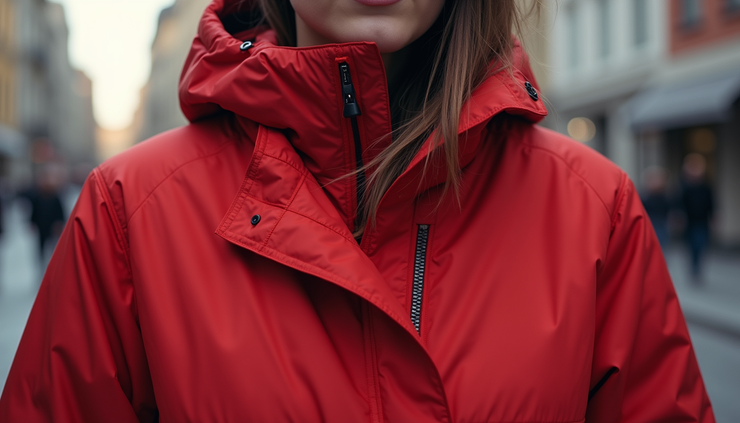
Red grabs attention and signals energy or passion. It can make you appear bold and confident but also aggressive if overused.
Blue tends to evoke calmness and trust. Wearing blue can make you seem reliable and approachable.
Yellow suggests optimism and creativity but can be overwhelming if too bright.
Black often communicates sophistication and authority but can also feel distant.
Green connects to balance and growth, offering a refreshing and calming vibe.
For example, if you want to make a strong impression in a social setting, wearing red or a warm tone can help you stand out. For a situation where trust matters, like a first meeting or interview, blue might be a better choice.
How Color Affects Confidence
The colors you wear don’t just influence others; they affect your own mindset. Research shows that color can impact mood and self-perception. When you feel good in your outfit, your confidence naturally rises.
Wearing bright colors like orange or yellow can boost energy and positivity.
Cool colors like blue and green can help reduce stress and promote calmness.
Neutral colors such as beige or gray provide a stable, grounded feeling.
Try this: wear a color that makes you feel powerful or happy before an important event. Notice how your posture, voice, and overall presence change. This is because your brain associates those colors with certain feelings, which then influence your behavior.
Using Color to Manage Your Energy
Color can also help regulate your energy throughout the day. Some colors stimulate activity, while others encourage relaxation.
Warm colors (red, orange, yellow) increase alertness and enthusiasm.
Cool colors (blue, green, purple) promote calm and focus.
Pastels offer softness and can reduce tension.
If you have a busy day ahead, wearing warm colors can keep you energized. For a stressful or demanding task, cooler tones might help you stay calm and collected.
Practical Tips for Choosing Colors Strategically
To use color as a tool, consider these steps:
Know your goals. What impression do you want to make? What mood do you want to feel?
Match colors to context. Bright colors for social or creative settings, muted tones for serious or formal occasions.
Experiment with combinations. Pair colors that complement your skin tone and personality.
Use accessories. If you’re unsure about bold colors, add them through scarves, ties, or jewelry.
Observe reactions. Notice how people respond and how you feel wearing certain colors.
For example, if you want to appear approachable but confident, try a blue shirt with a red accessory. This balances calmness with energy.
Color and Personal Identity
Your color choices also express who you are. They can reflect your mood, culture, or values. Some people feel drawn to specific colors because of personal meaning or memories.
Wearing colors that resonate with you can deepen your connection to your outfit and boost authenticity. This authenticity often translates into stronger confidence and better interactions.

Final Thoughts on Color as a Strategy
Color is a powerful, often overlooked tool in shaping how you feel and how others perceive you. By understanding the impact of different shades, you can make smarter choices that support your goals and boost your confidence. Next time you pick an outfit, think about the message your colors send and how they affect your energy. Small changes in color can lead to big shifts in presence and mood.


Comments